You’ve finished your first novel, sent it through the wringer of your critique group or chosen beta readers, and tweaked it again and again. Nerves rioting, you’ve decided set it free into the reading world. You’re standing in the open doorway and the paths before you are numerous. You notice a passing author out for a stroll with their third, or was it tenth, book at their side. You clear your throat and timidly ask, “Which road is the one to Publication City?”
Structuring genre novels and Hollywood movies is simple. (It’s the writing that’s hard!) They’re built on only three basic elements—character, desire, and conflict—and have a plot structure that consists of six basic stages. These stages help you build tension and conflict into your story and strengthen its emotional impact.
Urban Legends are the sturdy children of ancient myths and legends. We love to believe the story about the hook on the car door, or the dog drying in the microwave, or the car following a driver in the middle of the night and honking because there was a killer in the back seat. We love these stories, we believe these stories because we heard it from a friend who heard it from their aunt who swore she knew the victim, or at least heard of the victim. No names are ever exchanged. But even so, the story must be true. Preposterous, but deliciously true.
When I quit a day job last January to write full-time, it was a challenge, at first, to focus writing at home. Up until that point, my writing sessions had been on coffee breaks, sitting outside at a picnic table, or scribbling furiously with a notebook pressed up against my steering wheel while waiting in a drive-thru line or secretly in a bathroom stall whenever inspiration hit in the middle of an important meeting. 🙂
So, it’s getting to be time for that age-old question: How did you spend your summer? As the long, hot days begin to wind down, have you been working hard on a writing project, meaning to work hard on a writing project, or just enjoying some fun summer reading?
Hope your writing is going well! I know sometimes though it’s hard to get started on your novel. That’s why I created this free mini-course. Students are saying: “I had a bit of trouble condensing [my story],...
Do you like plotting your story before you write it? I don’t! That is, I don’t like the sound of “plotting.” Sounds so boring and feels heavy. But I learned that if I didn’t...
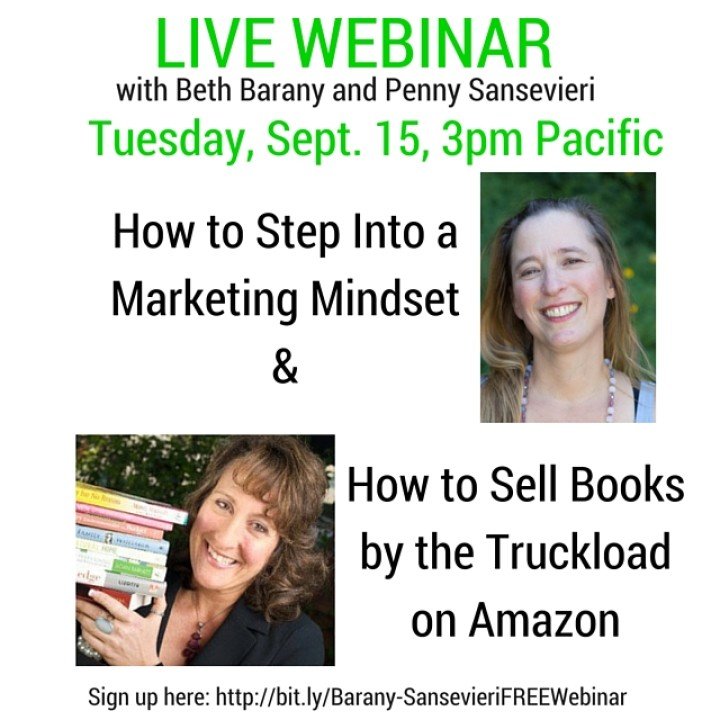
Update: You can get the recording of this discussion here. Join us in discussion on fueling your writing and creative process. I’m excited to announce that I’ll be in discussion with Linda Joy Meyers...
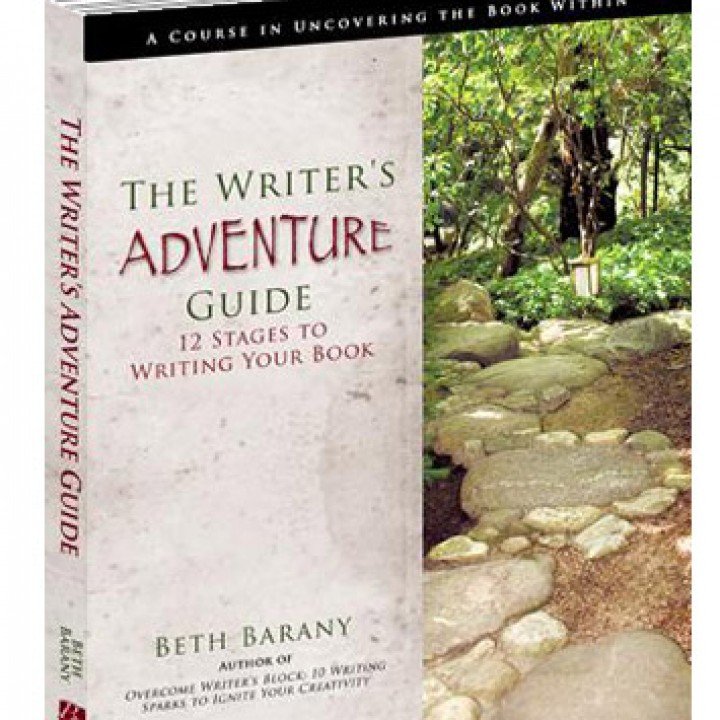
I was stuck thinking today, as I am most days and I realized that when I began writing I could have really used a tutorial, someone else’s experience – kind of like a step-by-step guide. I had plenty of seasoned writers trying to help and I’m so grateful to all of them but the beginning is just plain hard. So I wanted to write a guide for those of you who are about to start or who have just started or who want to start and are afraid or lost or confused or all of the above….
Like many writers, my ultimate goal is to write full-time and earn a living. Thanks to a corporate reduction, I got half of my wish. I no longer have any excuses for not taking advantage of my suddenly empty schedule, and have filled it accordingly with word goals galore. While my recent status change can be viewed as an unexpectedly blessing, I discovered I harbored a dirty little secret—I didn’t consider writing a job.
I’ve been talking about goals a lot lately and their importance to us as writers. In last month’s WFZ article, I mentioned how amateurs are different from professional writers in that they show up and do the hard work required of them every day, even if they experience boredom. This time, I want to discuss the importance of actually accomplishing something, whether it be in writing or in life.
Happy Summer everyone! My month-long Branding for Novelists class is still in full swing. We ran a Facebook party last week and will be doing a Twitter chat this week — all to practice...
Ezra and I will sharing on the benefits of a writing community with writing teachers and mentors as we give a sneak peek of our writing retreat in Paris this October 3-10, 2015. WHEN:...
Coming from Ireland as I do, even the slightest bit of sunshine brings excitement. We have a lot of rain – It’s why we have our ‘40 shades of green.’ I remember as a kid, when on vacation at the beach, it didn’t matter what the weather was like. Sun, rain, wind, arctic temperatures – we didn’t care. We were in the sea, building sandcastles, chasing beach balls as they blew away.
Follow:
BLOG PRODUCED AND EDITED BY BETH BARANY AND HER CREATIVE TEAM
Subscribe here to get notified each time we publish a post.
Welcome to the Writer’s Fun Zone, a blog for creative writers by Beth Barany, fiction writing teacher and novelist.
Subscribe to Writer's Fun Zone blog for resources, inspiration, and free resources:
Get these goodies:
1. On Author Mindset: "The 12 Stages of the Writer's Adventure" report;
2. On Getting Started with Your Writing: "Free Writer Discovery Mini-Course".
3. On Finding Your Next Step: "The 4 Stages of Writing a Novel";
BONUS
As a bonus, you will also be subscribed to the CreativitySparks (tm) newsletter, full of tips and tools for novelists building a successful career. (Sent 1-2 times per week) By Beth Barany, Editor and Publisher of the Writer's Fun Zone, and a Creativity Coaching for Writers, and a novelist herself.
How To Write The Future podcast
Ready to finish your book but not sure how?
Beth Barany helps authors get their books completed and out into the world, into the hands of their readers.
Creativity Coach for Writers, NLP Master Practitioner, and Master Teacher, Beth Barany has been there and knows how hard it can be to take your idea and turn it into a real book, that people will actually be interested, and even yearning, to read.
Recent Comments