How to Be Mad by Catharine Bramkamp
 Let’s welcome back monthly columnist Catharine Bramkamp as she shares with us “How to Be Mad.” Enjoy!
***
“If there’s ever a problem, I film it and it’s no longer a problem. It’s a film.” — Andy Warhol, artist and film maker
When Anger Meets the Everyday
It was a week of the apocalypse.
The streets were filled with chainsaws, chippers and wrecked trees.
Traffic stopped as the 120-year-old remains of a redwood were unceremoniously dropped to the side of the road.
Left for dead.
PG & E, not the most beloved of California utilities, was systemically cutting any tree within ten feet of a power pole.
I was in a mood to insist the trees were there first.
No one was listening to me.
Walking Through the Aftermath
The day after the last chain saw and lift moved up the road and out of hearing, I walked the neighborhood.
It was like walking through a bomb site.
Tree trunks ripped and tossed aside, bricks of cement scattered along the road, but hey, new power poles!
Sustained anger contributes to high blood pressure, which can increase the risk of stroke and heart disease.
I did not want to be that person who has a stroke just because she’s mad at PG & E.
The question was then, where to put the anger (and the grief)?
Turning Anger Into Art
As I walked the ruins approved by remote corporate calculations, I began taking pictures.
I photographed a close up of splintered trunks, fallen branches, chunks of cement, even the cliche shot of a flower poking through the debris.
An hour later, I assembled a collage.
Prepared the images.
Placed the images.
Searching for an angry background.
By the time I was halfway done with a (somewhat) cohesive collage, my anger had cooled into art.
After bad news, I walk.
After good news, I create.
When I’m depressed or upset, I do both.
Mad or Material?
When bad news whips around the corner and assaults you, what is your response?
Mad or material?
Can you channel that energy onto a canvas, a sculpture or a violent symphony?
This could be the perfect time to pick up the pastels you swore you would use but it’s been six months and you know because the holiday wrapping is still stuck to the box.
But the pastels are smooth, messy and once you’re in, you can’t really do anything else.
That is good.
Art in Times of Crisis
A popular saying is that in times of crisis, the arts thrive.
I think that’s because making art keeps us sane: we don’t know how the crisis will end, and we don’t know how our art will turn out.
Painting Guernica was Picasso’s protest against the bombing of the Basque town during the Spanish Civil War.
Harriet Beecher Stowe wrote Uncle Tom’s Cabin to express her crushing grief over losing a child.
We understand more about the plight of hidden Jews by reading The Diary of a Young Girl by Anne Frank than we would sitting through a history lesson on WWII.
During crazy times with my children, I used their, ahem, adventures, to populate a weekly newspaper column.
By the time the upsetting incident was mined for humor, it had lost its intensity.
Creating a Response
How can you express the world?
How would you fix the world?
Your art doesn’t even need to express anger, maybe you imagine a solution.
A member of one of my writing groups is working on a utopian novel, spending her time and energy creating the perfect society, art that keeps her spirits up.
Find an art outlet that helps express your big feelings.
When we channel our extreme emotions onto the page, onto a canvas, into a protest song, we not only make ourselves feel better, we contribute to the history of this time.
We leave a legacy as either a warning or a call out.
We can use our art to save ourselves.
It may not be good.
But it will be art.
Learn More
Look for my new book — Take Up Space — Art is Your Second Act.
***
Want to read more articles like this one Writer’s Fun Zone? Subscribe here.
***
ABOUT THE AUTHOR
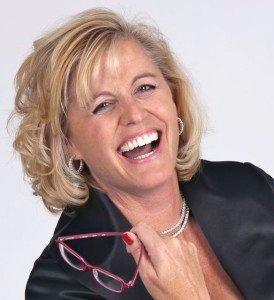 Catharine Bramkamp is a successful writing coach, Chief Storytelling Officer, former co-producer of Newbie Writers Podcast, and author of a dozen books including the Real Estate Diva Mysteries series, and The Future Girls series. She holds two degrees in English and is an adjunct university professor. After fracturing her wrist, she has figured out there is very little she is able to do with one hand tied behind her back. She delights in inspiring her readers.