Tagged: writer’s fun zone
“What’s going on?” Nathan sat up, stretched. “What’s all the noise?” Hertzog snorted. “Your old lady’s out there and she’s pissed.” He smirked at his own funny, then turned to saunter out, whistling all the way back outside to the truck bay.
According to story consultant Michael Hauge, your job as a storyteller is to create images. Your readers, viewers, or listeners want to picture who is doing what. To succeed at that, all the elements of your story need to be clear and vivid. However, some writers have trouble developing unique characters that jump off the page.
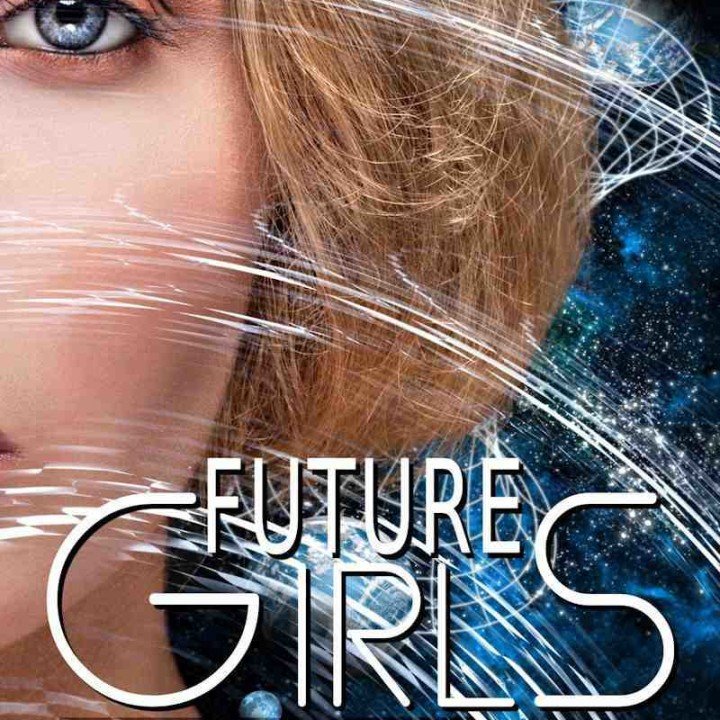
The future is so, well, depressing in Future Girls, what inspired you to create such a repressed future?
Over the years we’ve come across a lot of resources, and have collected a lot of tips and tricks on how to create a killer blog title, or headline. (Why do they always use the word ‘killer’? Isn’t there a word that’s equally impactful that doesn’t imply death and destruction?! It’s probably one of those “trigger words” I’ve come across. But that’s a topic for another blog post. End rant.)
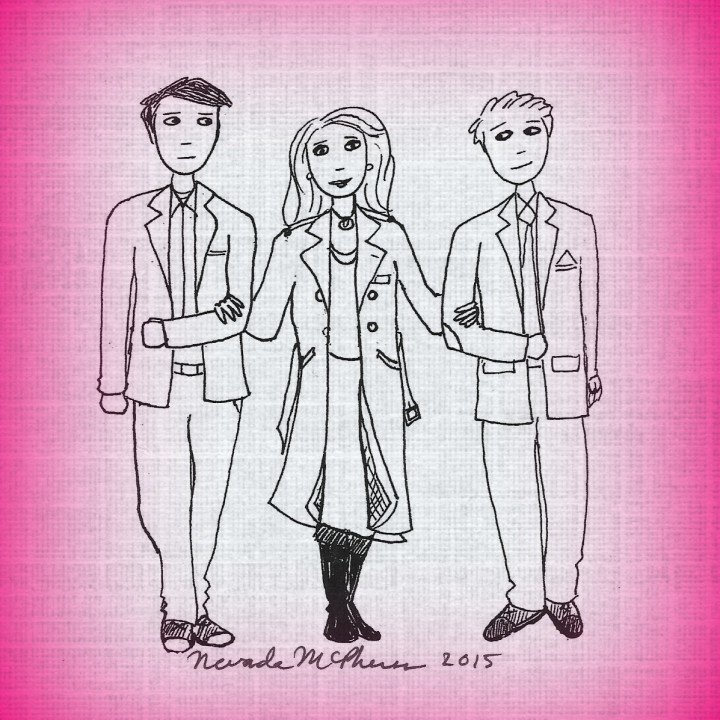
We pull our characters from a myriad of situations. Sometimes we stitch them together like Frankenstein’s monster – a little from one person, something else from another until a character emerges. Other times we combine two or three people we know really well, into one.
As a book publicist I am here to inform you that yes, they absolutely do matter! In fact, one of my clients won the prestigious Los Angeles Book Festival award. That then led to a flurry of media interest, which subsequently led to a major New York agent deciding to represent the book and pitch it to all the major publishing houses. This author, needless to say, was happy he decided to enter.
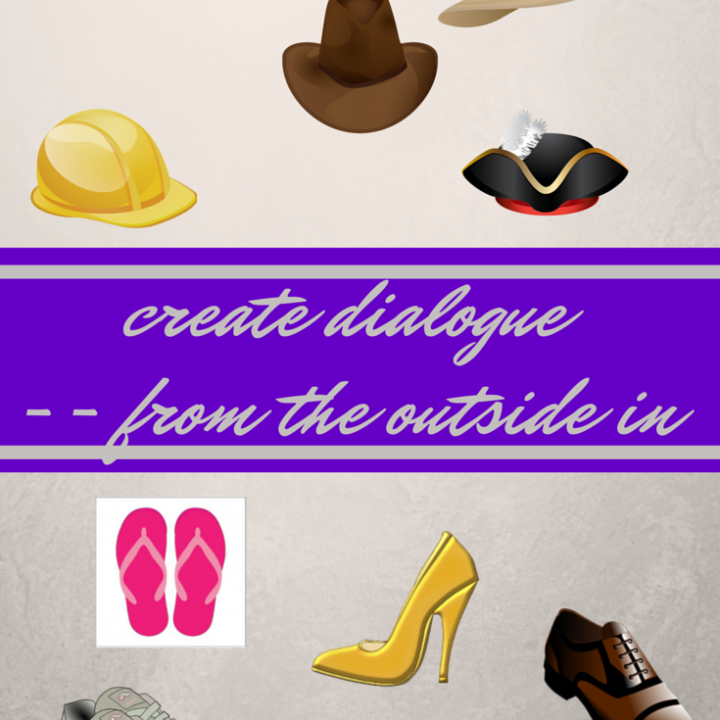
Who doesn’t have trouble with dialogue, at least some of the time? It seems like some writers are just born with an ear while the rest of us work hard to develop ours. It used to be that we could go to coffee shops and listen to/make notes about the conversations going on around us, but coffee shops have become the new study hall, and conversations happen via text.
I wrote last time about the evolving process of creating my first two graphic novels, and how I plan to break this next one down even more into manageable bites that don’t feel so overwhelming. Now I’m considering breaking the story into three parts: a triptych as it were.
Walter Isaacson uses it. NY Times journalist David Carr uses it. Author Emily Gould, Journalist Ben Smith, and Entrepreneur Elon Musk use it too. What is it?
When you’re a fledging writer you will probably receive two kinds of input. The first is constructive criticism and the second is unconstructive criticism or as I like to call it = Bull$h!t
Remember learning to walk? Of course you don’t, or if you do, you’re among the very few. That “not remembering” might be why, as a writer, we leap, hit the wall, and fall down a lot. We need to take baby steps.
Plotting is hard for many people. Sage advice says to start with characters, and when you know those people well enough, their behavior alone will launch the conflict. But you have to get to know them, and to do that, you need to start somewhere.
On top of holiday madness, we relocated from Ireland to the UK. So for a while, the only writing I was doing was putting numbers on labels and sticking them to boxes. Not very creative, but I’ll be glad I did it when I’m finally reunited with my belongings. 🙂
“It was a dark and stormy night; the rain fell in torrents — except at occasional intervals, when it was checked by a violent gust of wind which swept up the streets (for it is in London that our scene lies), rattling along the housetops, and fiercely agitating the scanty flame of the lamps that struggled against the darkness.” — Edward George Bulwer-Lytton, Paul Clifford (1830)










Recent Comments