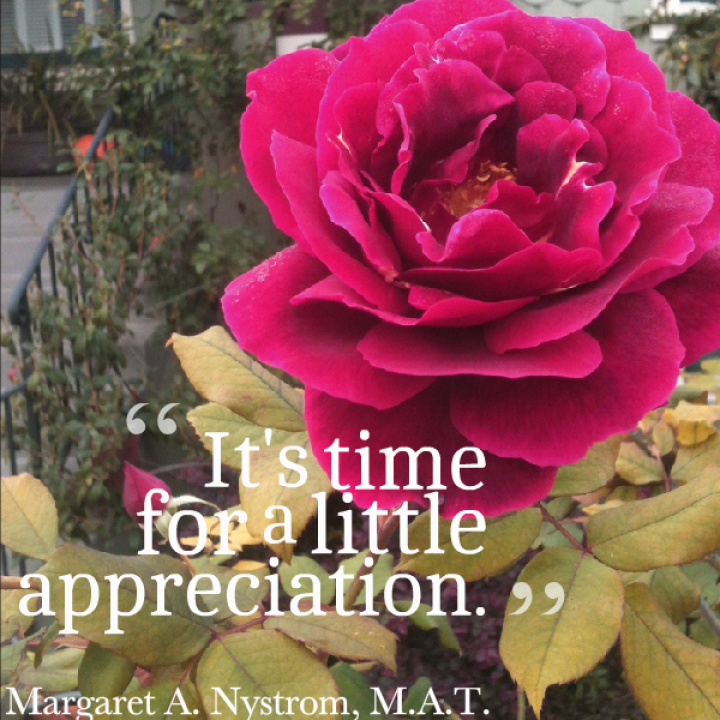
Ready to Quit? Five Steps to Do It Right by Margaret A. Nystrom, M.A.T.
Here are five steps to help get your mojo back, or to quit without the guilt.

Here are five steps to help get your mojo back, or to quit without the guilt.
There are lots of benefits of being in a writing group and Ezra and I share 3 tips here! I actually don’t want to reveal the tips; I watch you to watch the video!...
As in a game, readers want to know what’s at stake. Is it life? Love? Friendship? Money? The ranch? The locket? Readers have to know what your hero or heroine will gain or lose in the story
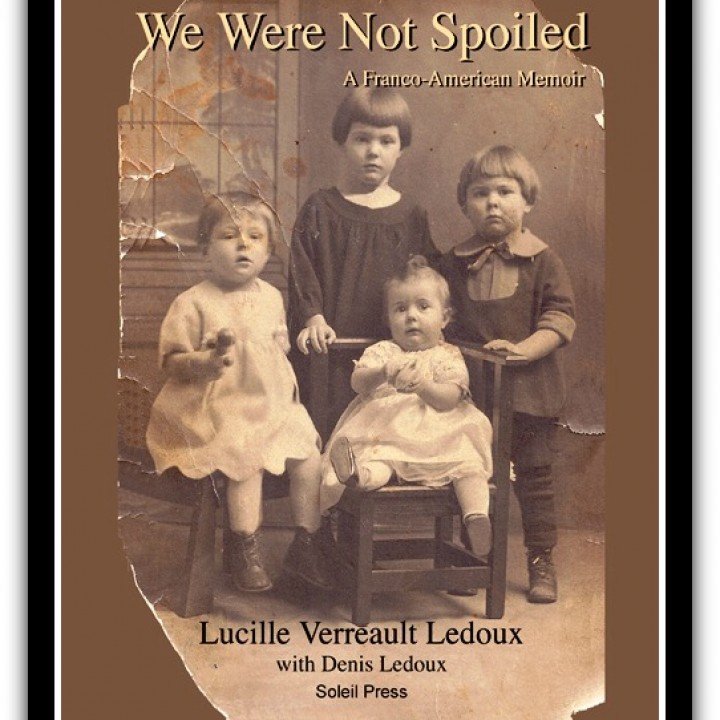
Please join me in welcoming memoir writer, Denis Ledoux, as he explains the pleasure associated with ghostwriting as an artist to create a living history that has style and deep, family meaning. Enjoy! ***...
Today we welcome back our adventurous novelist, Carol Malone. She’ll be telling us about her “Ah-Ha” moment and give us tips on how to find what workshops stimulate the writing process, and what books...
How do you define success? Author Success For me, I define it as getting to my writing regularly — you know, the butt in chair action, and where the work gets done. That’s the...
Author Career / Author Entrepreneur / Blogging / book marketing / Book Promotion / business of writing / social media for authors / Tweets / Writing Tips
by Beth Barany · Published April 8, 2014 · Last modified April 9, 2014
Whatever you do with your “About” page, make sure you have one. If someone visits your blog, they’ll want to know who’s behind the writing.
Thriller novelist, Ezra Barany, passed me the baton on this blog hop. I love the topic: writing process. What writer doesn’t like to talk about his or her writing process? I also love to...
When I first started writing professionally many years ago, I had no idea where to start, or more importantly, what my responsibilities as a writer were.
Stop going at it alone! Get the step-by-step help you need to write, publish, or market your genre novel with experienced and bestselling novelists who are also professional teachers, coaches, and mentors.
artist entrepreneur / Writing Tips
by Beth Barany · Published March 28, 2014 · Last modified March 27, 2014
There are several types of writing that might keep you from getting ‘A’ rated by your readers.
Good writing is always honest, whether it’s telling the truth about life, about the world, or about deeply held personal emotions.
When writers talk about plot and character, they often reference movies or TV shows. That’s because film provides a visual — an extra dimension that helps viewers understand the story.
Surprising data: I recently attended a workshop where the speaker said that ninety percent of self-publishers sell less than 100 books. Astonishing, if that’s true. Don’t tell that to Amanda Hocking or Dan Poynter!
Subscribe here to get notified each time we publish a post.
 Welcome to the Writer’s Fun Zone, a blog for creative writers by Beth Barany, fiction writing teacher and novelist.
Articles by creative writers like you.
Check out the How To Write The Future podcast.
Subscribe to Writer's Fun Zone blog for resources, inspiration, and free resources:
Get these goodies:BONUS
As a bonus, you will also be subscribed to the CreativitySparks (tm) newsletter, full of tips and tools for novelists building a successful career. (Sent 1-2 times per week) By Beth Barany, Editor and Publisher of the Writer's Fun Zone, and a Creativity Coaching for Writers, and a novelist herself.
Beth Barany helps authors get their books completed and out into the world, into the hands of their readers.
Creativity Coach for Writers, NLP Master Practitioner, and Master Teacher, Beth Barany has been there and knows how hard it can be to take your idea and turn it into a real book, that people will actually be interested, and even yearning, to read.
She walks the talk, as her clients like to say. She is the author of the 2012 award-winning young adult fantasy novel Henrietta The Dragon Slayer, as well as the author of the bestselling nonfiction books for authors and aspiring authors.
Ready to finish your book but not sure how?
Hire Beth to help you or take a class at Barany School of Fiction. Or join her Group Coaching Program.
Still have questions? Email Beth.





Recent Comments