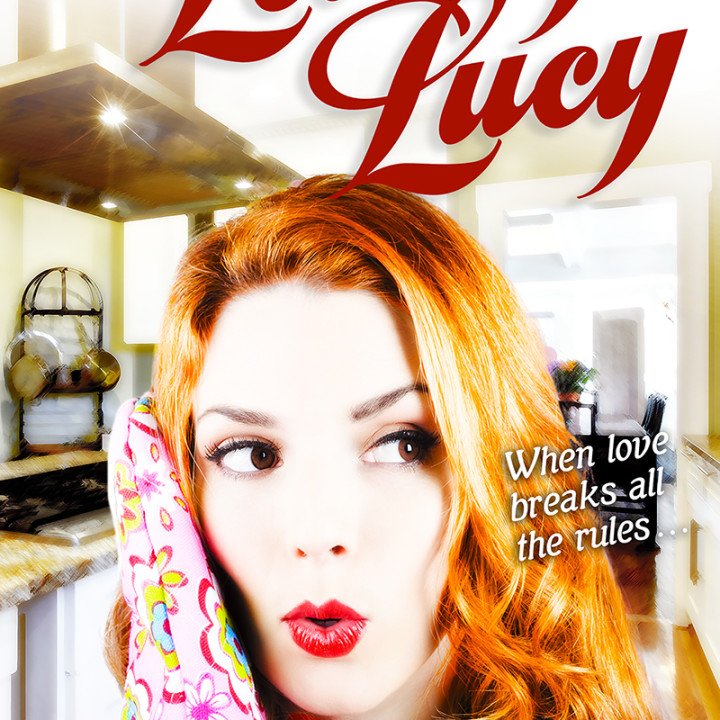
Love Your Bad Guys by Kay Keppler
Let’s welcome back monthly columnist, editor, and novelist, Kay Keppler, as she shares with us “Love Your Bad Guys!” Enjoy!

Let’s welcome back monthly columnist, editor, and novelist, Kay Keppler, as she shares with us “Love Your Bad Guys!” Enjoy!
Most writers, sooner or later, will hit the problem of the Sagging Middle. The story pacing slows—the plot might even bore you a little bit now—and you don’t know what to do about it.
When I was a small child, it didn’t take me long to realize music could be used to tell powerful stories. I’d pop on a 78 record and listen till my parents would cry. I listened to songs like: “Blue Tail Fly” or “Jimmy Crack Corn and I Don’t care,” “The Big Rock Canady Mountain,” “Twinkle, Twinkle Little Star,”
“…the bearded merchants in furred robes conversing quietly as they picked their way along the slimy stones above the water, the fishermen unloading their catch, coopers pounding and shipmakers hammering and clamsellers singing and shipmasters bellowing, and beyond all the silent, shining bay.”
There are multiple kinds of truth, in fiction as in life. As fiction writers, we move as close to the truth as possible without ever quite veering into truth entirely (otherwise we’d be writing nonfiction). One kind of truth emanates from a realism of scene and detail. By identifying with familiar settings and character traits, readers are pulled into a story and become personally attached to it.
Many writers, when they sit down to work, look with anxiety or stress at that blank page. Or they’re afraid to send their work out—to editors or publishers—or even for critique. Others are afraid they won’t sell. Or if they have sold, that they won’t sell again.
Some writers enjoy the process of rereading and combing through each word, looking for ways to strengthen sentences, remove extraneous detail, sharpen plot and develop characters. But for many it’s pure torture. Editing can feel like it lacks the punch and excitement of the initial writing, too analytical and uncreative.
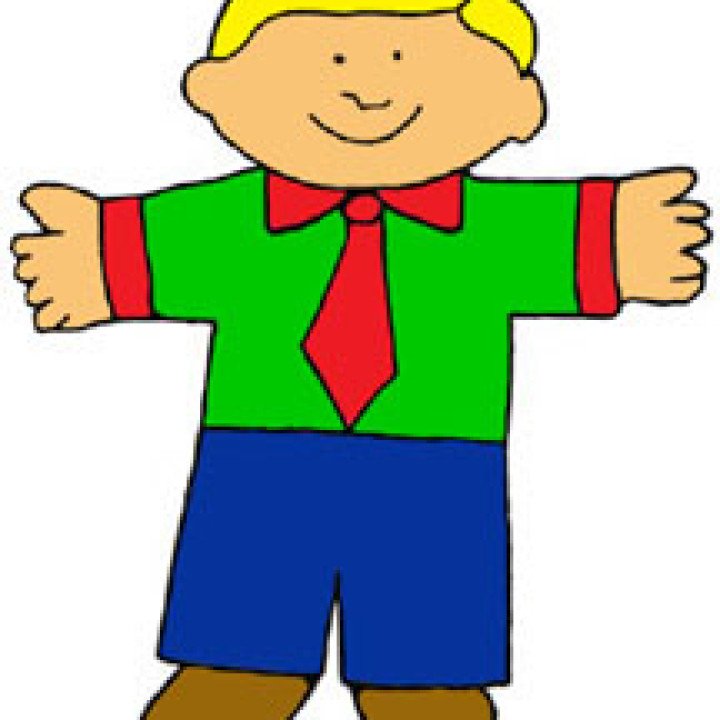
For all those who have interacted with small humans in the kinder-to-third grade arena, you might be familiar with Flat Stanley (also known in some cases as Flat Lizzy). For those who haven’t had the joy of meeting this illustrious character, a quick introduction.
A writer I know recently asked for song ideas to build her writing playlist—the music she’d play while she worked on her latest WIP, a fantasy adventure tale. She wanted songs that would speak to the acts of the book—her heroine on a mission, in trouble, fighting her way out, and resolving her issues. I thought of “I Need a Hero,” sung by Bonnie Tyler, who asks for a street-wise Hercules.
I recently had the opportunity to do a beta read on a novel and provide a critique. The experience was both sad and depressing. Everything was off—pacing, character development, and conflict. Keeping all those ponies in harness pulling their weight and working together is complicated. But this is your job as a novelist.
Few writers pay much attention to character placement, but this is something of paramount concern to filmmakers, and a subject I cover in depth in Shoot Your Novel. A director has to lay out his camera shots, deciding when a close-up shot would be more effective than a long shot, for example. He may want the camera positioned far away from the action, to make details unclear and evoke curiosity or misinterpretation. Or he may have an extreme close-up to ensure viewers don’t miss a tiny detail that is crucial to the plot.
Does your writing sometimes feel dead? Perhaps your words stare vacantly back at you like lumps on the page? Or do you feel like a lump as you write? How can you inject passion and danger back into your writing?
When you try really, really hard to be funny, it inevitably won’t work. Like when my mother tells a joke. She always forgets some critical piece in the set up that, if forgotten, renders the punch line unintelligible. Which, as she backtracks and says, Oh, I forgot to tell you about the bath tub, is funny, but not the way she intended.
A student came into the Writing Center where I tutor the other day with a complaint about his instructor (big surprise!). The student had been using his thesaurus to come up with another word for ‘people’ to go with ‘the Chinese’ and ended up with ‘civilians.’
Subscribe here to get notified each time we publish a post.
 Welcome to the Writer’s Fun Zone, a blog for creative writers by Beth Barany, fiction writing teacher and novelist.
Articles by creative writers like you.
Check out the How To Write The Future podcast.
Subscribe to Writer's Fun Zone blog for resources, inspiration, and free resources:
Get these goodies:BONUS
As a bonus, you will also be subscribed to the CreativitySparks (tm) newsletter, full of tips and tools for novelists building a successful career. (Sent 1-2 times per week) By Beth Barany, Editor and Publisher of the Writer's Fun Zone, and a Creativity Coaching for Writers, and a novelist herself.
Beth Barany helps authors get their books completed and out into the world, into the hands of their readers.
Creativity Coach for Writers, NLP Master Practitioner, and Master Teacher, Beth Barany has been there and knows how hard it can be to take your idea and turn it into a real book, that people will actually be interested, and even yearning, to read.
She walks the talk, as her clients like to say. She is the author of the 2012 award-winning young adult fantasy novel Henrietta The Dragon Slayer, as well as the author of the bestselling nonfiction books for authors and aspiring authors.
Ready to finish your book but not sure how?
Hire Beth to help you or take a class at Barany School of Fiction. Or join her Group Coaching Program.
Still have questions? Email Beth.




Recent Comments