Tagged: author

0

Find Your Fear and Strengthen Your Story by Wyatt G. Bessing

As Halloween nears, I consider the origins of the holiday. Many scholars believe the idea of wearing masks originated in the fear of lost souls roaming the earth this time of year, when the veil between living and dead thins and the world grows darker. The masks allowed revelers to imitate or hide from their fearful foes.

1

One Writer’s Journey from The Beginning A Step-by-Step Beginner Writers Guide – Part 2 How to Write Your Novel Without Having a Background in Writing by Raina Schell

I’m writing this guide as my journey. I am now a third of the way through my 4th book in two years, and have just started my 5th. When I was thinking about it I though it would have been great to have a little step-by-step guide. A guide of someone else’s process, someone else who knew absolutely nothing… like me.

3

He Said, She Glared: The Battle of Action vs. Dialogue Tags by Jami Gray

Ahhh, the joys of tags. These are those pesky things writers tack after a dialogue run. They tell the reader who’s talking or what they’re doing, or sometimes they do both. These innocuous critters have stirred up quite the debate in the writing community. I’m sure you’ve heard them, whispering in the corners of the coffee shop or library:

4

Writers, Balancing Act: Learning vs. Doing, by Carol Malone

I’ve been stuck in my writing of late and I started wondering about my goals. Though I want to be a bestselling author and made every plan and goal in my mind to do so, something is holding me back. Maybe my goal isn’t big enough. Or maybe, something in my thinking went haywire and I started believing that I needed to read or study every word on the subject of writing before I could write another word.

0

A Writer’s Shame by Annmarie Miles

Have you ever felt it? The burning shame of knowing that you haven’t blogged in ages. When you look in your bag and your notebook is staring at you, all wounded and bereft because you haven’t opened it in a while. You WIP’s protagonist, who you once knew better than you know yourself, is now a distant stranger. You watch wistfully, and with more than a smidgeon of envy, the Facebook posts of writers who are blogging, editing and publishing like the wind. If you have felt such things, then you know what it is to feel it. The shame of the writer, who is not writing.

0

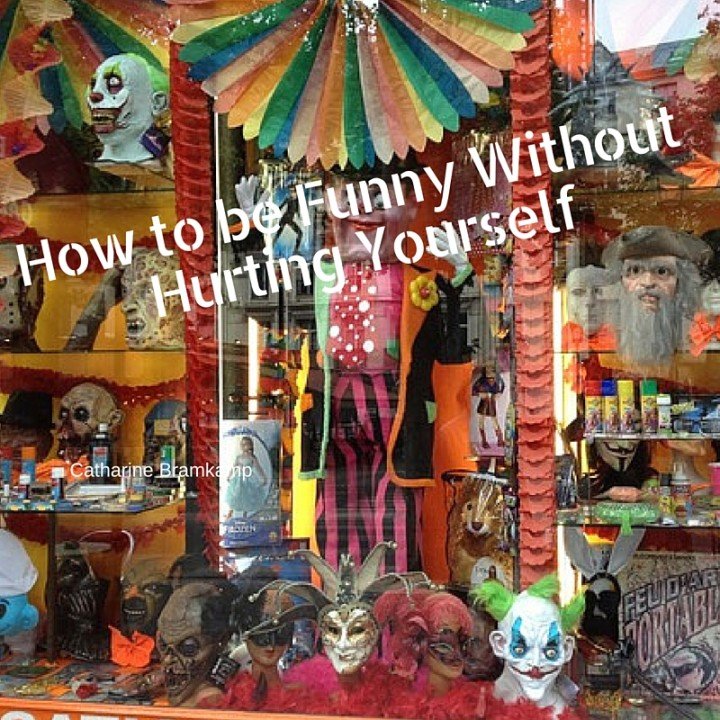
How to Be Funny Without Hurting Yourself by Catharine Bramkamp

When you try really, really hard to be funny, it inevitably won’t work. Like when my mother tells a joke. She always forgets some critical piece in the set up that, if forgotten, renders the punch line unintelligible. Which, as she backtracks and says, Oh, I forgot to tell you about the bath tub, is funny, but not the way she intended.

0

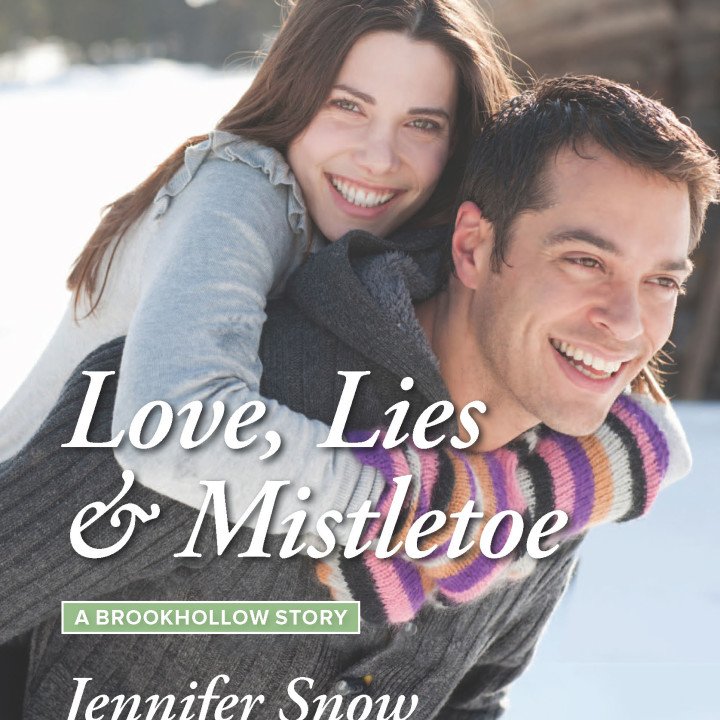
A Year to Publication Column: Writing a Holiday Romance by Jennifer Snow

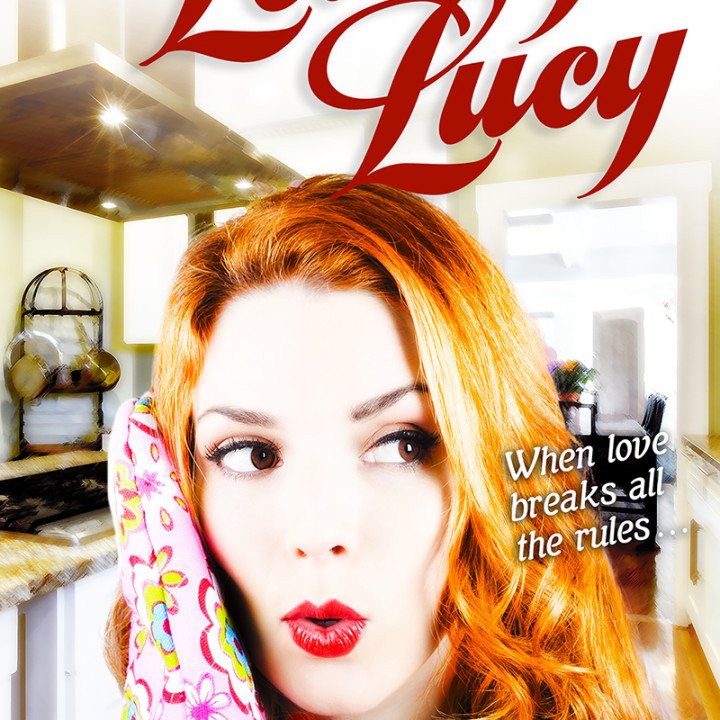
Beautifully crafted holiday romance stories have always been my favourite novels to read: not only during the holiday season, but all year round. I’ve discovered that I’m not alone. Readers worldwide enjoy ‘love under the mistletoe’ stories that evoke sincere emotions and reflect family, heart and home. As writers, we play a part in enhancing the holidays for our readers by taking elements that may not be as magical in real life and making them sparkle on the pages.

0

“Always Worth It” by Nevada McPherson

Today I gave my classes an assignment: write about a story or event that is significant to you and why it’s significant or memorable. I haven’t seen their papers yet but some of the students told me what they had chosen to write about and these stories were very meaningful to them for various reasons. This just proves what I heard one of my writing heroes, Garrison Keillor, say on the radio show, A Prairie Home Companion years ago: telling a story and figuring out the best way to tell it is “always worth the effort.”

0

Leveraging Limitations for Greater Creativity and Productivity by Brian James Lane

Often times, you may hear that to be successful in your creative endeavors you need to “think outside the box”. This is sound advice. There is nothing more infinite than what is outside the conventional. There is also nothing more boundless than the blank page. Sometimes, creativity may need to be reined in so as not to be overwhelmed. What better place than a box to give your inspiration some form? A small box.

0

Stop Thinking About Your Goals and Do Something! Active Practice vs. Passive Learning by Carol Malone

Back in my early adulthood, I sat in a workshop where the instructor beat us over the head about setting goals. Right now I can’t remember much of what he said, but I do remember I thought long and hard about goal setting, but not so much about how I might actually reach a goal. I don’t remember the instructor teaching us the practical steps of working at a goal.

3

Choosing Your Publishing Path by Jami Gray

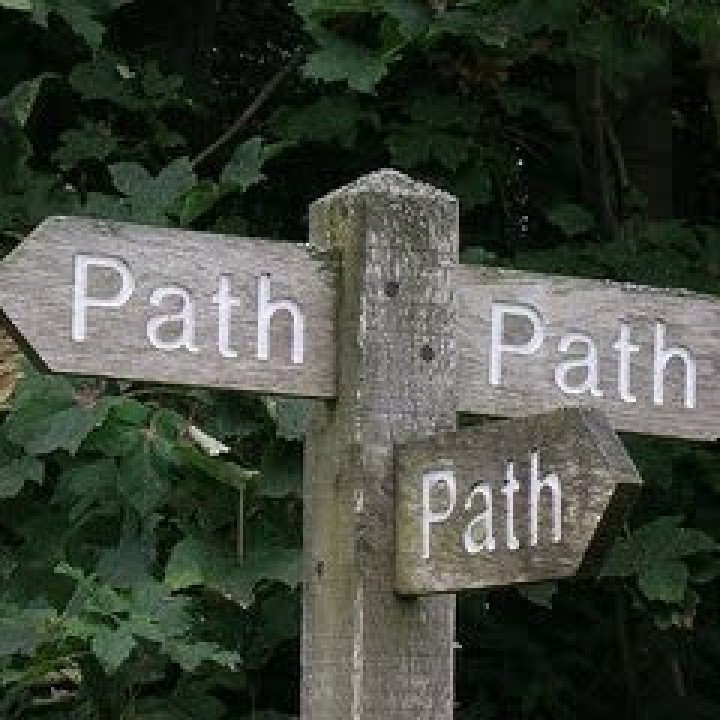
You’ve finished your first novel, sent it through the wringer of your critique group or chosen beta readers, and tweaked it again and again. Nerves rioting, you’ve decided set it free into the reading world. You’re standing in the open doorway and the paths before you are numerous. You notice a passing author out for a stroll with their third, or was it tenth, book at their side. You clear your throat and timidly ask, “Which road is the one to Publication City?”

0

The Stages of A Story by Kay Keppler

Structuring genre novels and Hollywood movies is simple. (It’s the writing that’s hard!) They’re built on only three basic elements—character, desire, and conflict—and have a plot structure that consists of six basic stages. These stages help you build tension and conflict into your story and strengthen its emotional impact.

0

Urban Legends and the Joy of Mis-information by Catharine Bramkamp

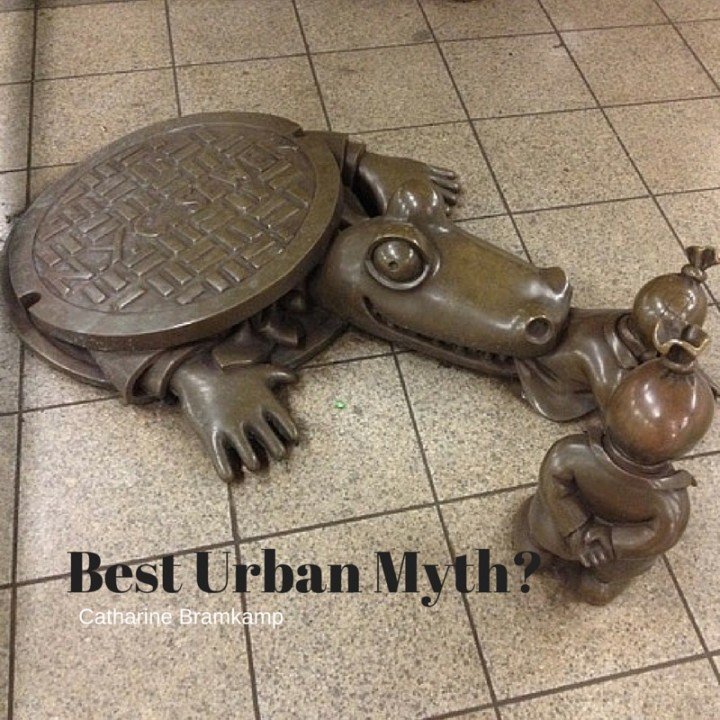
Urban Legends are the sturdy children of ancient myths and legends. We love to believe the story about the hook on the car door, or the dog drying in the microwave, or the car following a driver in the middle of the night and honking because there was a killer in the back seat. We love these stories, we believe these stories because we heard it from a friend who heard it from their aunt who swore she knew the victim, or at least heard of the victim. No names are ever exchanged. But even so, the story must be true. Preposterous, but deliciously true.

>