Writer's Fun Zone by Beth Barany

1

Benefits of a Strategic Short Story Reading Practice by Maya Goode

When great writers give advice to “read more,” it is good advice but incomplete. If you read the same types of stories, by similar writers who write on similar levels, you will not learn as much as you will if you read diversely. Reading across culture, race, style, and techniques, you will gain many skills that you can later add to your writing.

0

New Year’s Blues Got You Feeling Overwhelmed? Or How Can You Achieve Your Goals? by Carol Malone

How many of us have said, “I want to be a writer?” Great goal. A little vague, but a worthy goal. If we write notes, holiday cards, or a grocery list, we’re writers. How can we narrow that aspiration down or beef it up? “I want to write the next great American Novel.” Better. At least you now know what you’re aiming at as a writer. Still a tad unrealistic.

0

6 Elements of Successful Storytelling by Kay Keppler

A publisher recently sent me a review of a published book that I’d edited for them. The review praised several specifics that I had fought for over two revision cycles. To me, the need for the changes had seemed obvious—but they came as a surprise to the author. In fact, the last several manuscripts I’ve worked on have had significant structural issues—nothing that couldn’t be repaired, but expensive in terms of time and effort, especially since some problems came up early and affected events throughout the book.

0

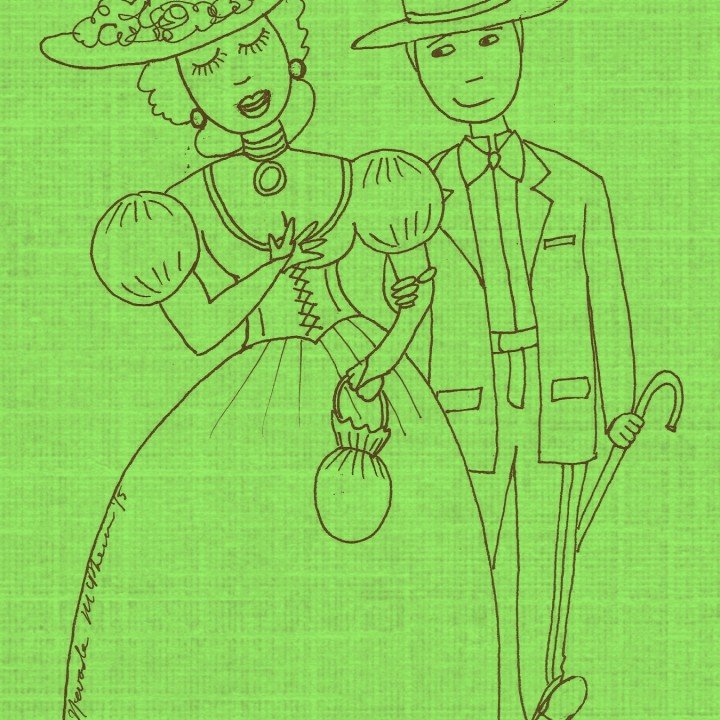
Frame by Frame Tells the Story by Nevada McPherson

If you’ve read any of my previous posts you know I’ve talked about my experience creating hand-drawn graphic novels and the joys and challenges of undertaking such a project. I’ve discussed how my process has evolved since my first book, Uptowners, and how I’m trying something different and more collaborative for the upcoming sequel, Queensgate.

0

The Character Tag – Do We Know Who’s Who? By Jackie Blain

One of my screenwriting students came in one night with the first draft of his ensemble comedy. Now, those things – ensemble pieces – are notoriously hard to write whether you’re writing a script or a novel because there are so many characters you have to service.

>