Finding the Flow by Catharine Bramkamp
 Let’s welcome back monthly columnist Catharine Bramkamp as she shares with us “Finding the Flow.” Enjoy!
***
What is it like to be in flow?
You probably know.
But while we are here, let’s unpack flow in the context of art.
The Autotelic Experience
Flow is an autotelic experience — autos (self) and telos (end or goal) which identifies an activity as one of doing, not producing.
What is the best part of writing?
Writing.
What is the most annoying feature of authorship?
Publishing.
Back to doing.
Video game play is one of the best examples of flow.
Video games are built to exploit the autotelic experience.
The games are “addictive” because the space is so satisfying — transforming the player into another time and space.
You can experience flow by playing video games, but a better use of your time is to pursue flow through art.
Finding the Balance Between Challenge and Skill
A satisfying writing project balances challenge and skill.
If a project or a job is too difficult for us, we experience frustration.
If it’s too easy, we become bored.
In flow there is a match, like the perfect Pickleball five-minute volley — flow.
In flow, our actions and awareness are merged.
Our minds are not off on the usual guilt trip; they are right here with our body.
We are engrossed in a new fingering technique, getting the paint color exactly right, carefully wiring the gingerbread house for lights.
We are not worried, and we are not overthinking.
It’s heaven.
Flow Keeps Us in the Present
Along with merging action and awareness, the flow state forces focus.
Our minds can’t wander when we are cutting fabric, or learning a dance step, or listening for our cue.
This kind of concentration keeps us in the present, and out of our worries and regrets.
Flow means there is no failure; it’s all about process.
When we are involved, we are all in the present, the doing.
Afterwards we say, — wow that was fun!
We also say that went so fast!
I love how flow disappears my ego.
I am so involved in making sure I’m following the dance and listening to the music cues that I even forget to suck in my stomach.
When you are in flow, you lose complete track of time.
Time flies by, or it slows; it doesn’t matter; our art stretches and contracts time like taffy.
What Happens When We’re in Flow
When we are in flow, we:
- Stop thinking about ourselves.
- Forget our negative thoughts.
- Repeat activities that reward our efforts.
- Have fun.
- Features of a good flow activity include:
- Clear goals and recognizable steps.
- Rules and rewards (video games).
- Anticipation. (Knowing the next note to play, or the next line to say.)
Find the Flow
Be autotelic; do things for their own reason.
Find the flow, swim in the current, and see where it takes you.
What if you aren’t artistic?
Try Take Up Space — Art is Your Second Act, your how-to for a more artistic and satisfying second act.
***
Want to read more articles like this one Writer’s Fun Zone? Subscribe here.
***
ABOUT THE AUTHOR
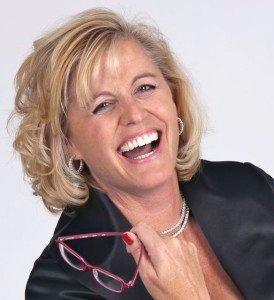 Catharine Bramkamp is a successful writing coach, Chief Storytelling Officer, former co-producer of Newbie Writers Podcast, and author of a dozen books including the Real Estate Diva Mysteries series, and The Future Girls series. She holds two degrees in English and is an adjunct university professor. After fracturing her wrist, she has figured out there is very little she is able to do with one hand tied behind her back. She delights in inspiring her readers.